
How Can Monitoring Cough & Lung Sounds Add Value in Respiratory Clinical Trials?

While regulators may not require objective cough and/or lung sound monitoring outside of chronic cough studies, sponsors increasingly recognize that relying solely on pulmonary function tests and patient-reported outcomes leaves critical insight on the table. In conditions such as pulmonary fibrosis, bronchiectasis, COPD, and asthma where cough and lung sounds such as wheezing are highly […]
Q/A with Dr. Sabiha Hussain, Professor of Medicine at Robert Wood Johnson Medical School, Rutgers Health

Dr. Sabiha Hussain is the principal investigator of RWJ Barnabas Health’s research study evaluating the RESP® Biosensor for wearable respiratory monitoring in cystic fibrosis. The Strados team was fortunate to meet for a short interview with Dr. Hussain. What motivated you to initiate this study, and what key questions are you hoping to answer using […]
From Stethoscope to Sensor: How We Developed a Lung Acoustics Wearable
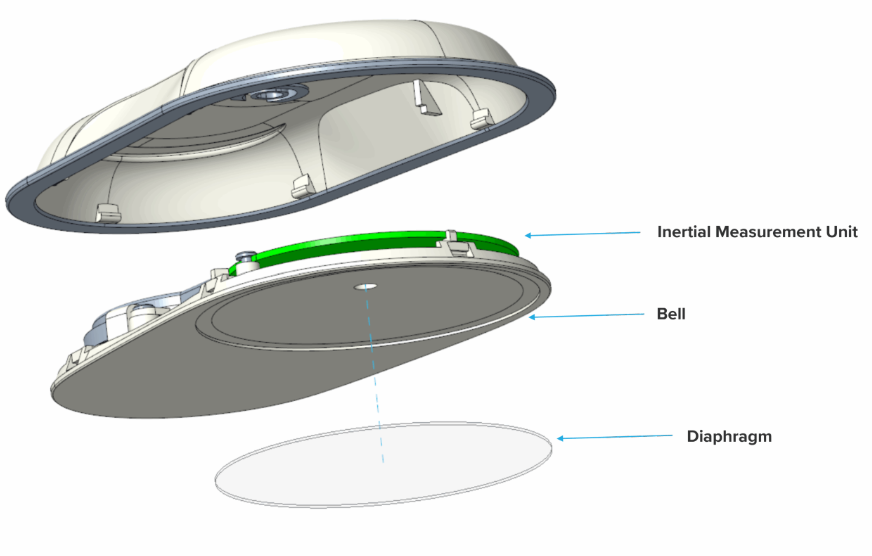
The advent of wearable technology is changing how we monitor health across a range of conditions, offering continuous, real-world insights into patients’ vitals and physiological data. At Strados Labs, our goal was to develop a wearable specifically for monitoring patients with chronic respiratory diseases such as COPD and asthma. Our approach? Model our technology after […]
Cough Counting Approaches Explained: Which One Is Best?
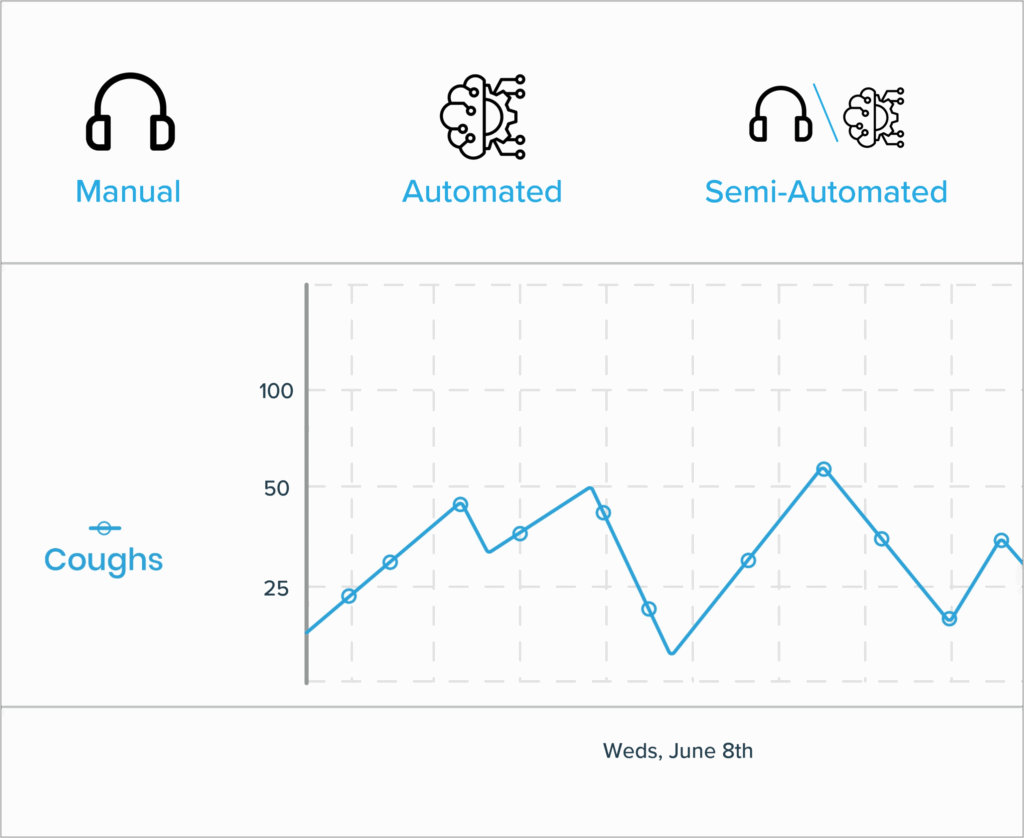
Cough monitoring, namely for the measurement of cough frequency, has seen increased interest and use in clinical trials to provide a greater understanding of treatment effects on subjects’ cough. As sponsors and researchers evaluate cough monitoring technologies for their studies, an important aspect to consider is the cough counting method used to determine cough frequency. […]
Takeaways from the ATS 2025 Innovation Hub Session: Tuning In To Cough In Pulmonary Fibrosis

At this year’s ATS conference, Strados Labs was proud to host the session, “Tuning In To Cough in Pulmonary Fibrosis: How Should We Address the Gap?” presented by Dr. Toby Maher, Professor of Clinical Medicine at the Keck School of Medicine, USC. The talk focused on cough in pulmonary fibrosis, a highly prevalent, debilitating symptom […]
Regulatory Pathways for Cough Monitoring in Clinical Trials: FDA Validation Requirements Explained

Cough monitoring has emerged as an increasingly common practice in research studies and drug development in recent years to objectively measure changes in subjects’ cough. As drug developers consider including cough frequency as an endpoint in their studies, understanding the current regulatory pathway and the FDA’s validation requirements is essential. To support trial sponsors, we’ve […]
Why the Tegaderm™ Adhesive is a Trusted, Patient-Friendly Solution for the RESP® Biosensor
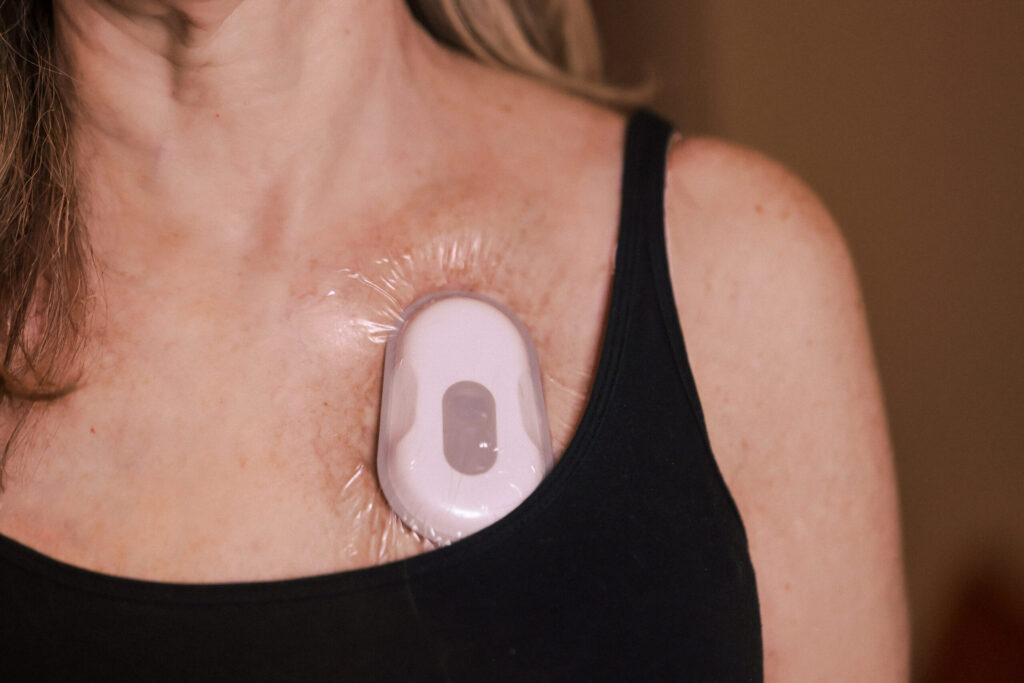
In research studies and healthcare settings, minimizing patient burden is essential for reliable data collection with wearables and devices. At Strados Labs, we understand the importance of these factors with the RESP® Biosensor, which is designed to continuously capture lung sounds such as coughing and wheezing in daily life. A critical part of the RESP […]
Q/A with Dr. Henry Schmidt: Principal Investigator of Strados Labs’ Pediatric Asthma Study with Lurie Children’s

Dr. Henry Schmidt was the principal investigator for Strados Labs’ recent pediatric asthma study in partnership with Ann and Robert H. Lurie Children’s Hospital of Chicago which was completed earlier this year. The Strados team was fortunate to meet for a short interview with Dr. Schmidt, who is now a practicing pediatric pulmonologist with Advocate […]
An Interview with Strados Labs Founder Nick Delmonico Featured in Respiratory Therapy Magazine
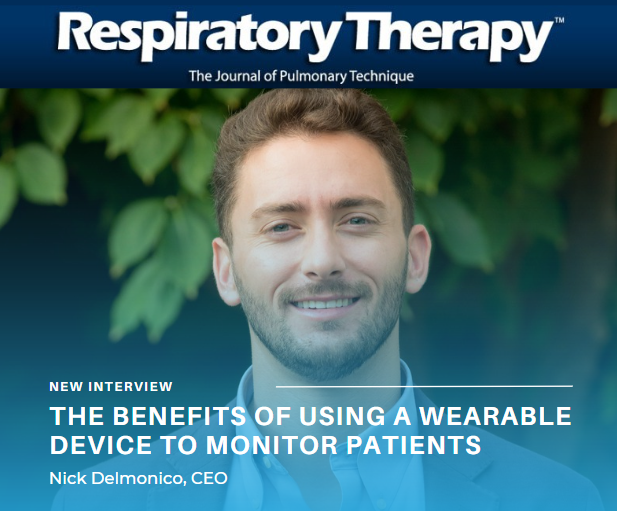
Respiratory Therapy Magazine recently sat down with Nick Delmonico, CEO of Strados Labs, to discuss the RESP® Biosensor, an innovative wearable device designed to continuously capture lung sounds such as coughs, wheeze, and crackles. In this Q&A, Delmonico shares insights into the inspiration for the technology and the benefits of using a wearable device to […]
Leicester Cough Questionnaire: An Overview

The Leicester Cough Questionnaire (LCQ)1 is a self-reporting tool developed by S.S. Birring and others to evaluate the impact of chronic cough on a patient’s quality of life. Chronic cough,2 which impacts between 10-20% of the US population,3 is a cough that can last up to 8 weeks or longer. It can be both a […]